

Ramboll sets roadmap for net zero & sustainable data centres
Thu, 25th Sep 2025
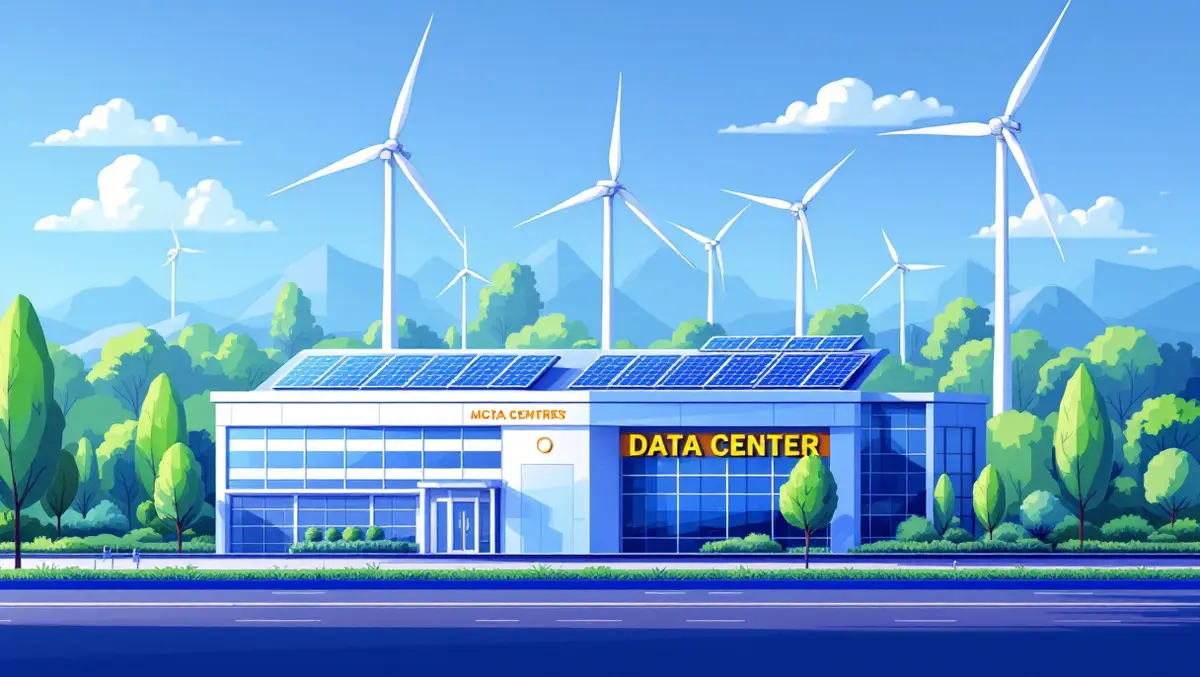
A new whitepaper from Ramboll sets out a strategic roadmap to support the decarbonisation and sustainability of data centres worldwide.
The report, entitled 'Net Zero Data Centres: A Strategic Roadmap to Achieve Net Zero Carbon and Reduce Environmental Impact,' addresses the environmental consequences caused by the expansion of global data infrastructure. Amid increased demand associated with artificial intelligence and growing investments in UK data centres by US-based firms, Ramboll explores approaches to make data centres environmentally neutral and sustainable.
The whitepaper provides practical benchmarks for data centre owners, developers, operators, and consultants, based on Ramboll's experience across engineering, architecture, and sustainability disciplines. It addresses key issues including embodied and operational carbon, biodiversity, circularity, energy, and water consumption, and provides solutions for each area throughout the life cycle of a data centre.
Electricity demand and emissions
Data centres are currently responsible for a considerable proportion of global energy use. According to the International Energy Agency, such facilities accounted for approximately 1.5 per cent of worldwide electricity consumption last year, a figure forecast to double by 2030. This growing demand is driven in part by increasing use of artificial intelligence and digital services.
"The construction of data centres powered by the rise of artificial intelligence is booming across the globe, driving unprecedented demand for electricity and significantly contributing to global greenhouse gas emissions, increased water consumption, waste production, habitat destruction, and resource depletion," says Ed Ansett, Ramboll's Global Director of Technology and Innovation. "These challenges can be managed and mitigated if data centres are built with climate, biodiversity, and circularity in mind from the very start."
According to the report, operational carbon resulting from the energy data centres consume comprises the largest share of their total carbon emissions. The whitepaper identifies several steps to achieving net zero operational carbon, including optimising energy efficiency, prioritising renewable energy procurement, expanding energy reuse and export, and deploying demand response mechanisms.
Addressing embodied carbon
The whitepaper also reviews embodied carbon, which is the carbon footprint associated with materials and construction processes. It suggests reducing emissions by selecting lower carbon construction materials such as steel and concrete, sourcing materials locally where possible, or using recycled elements from deconstructed buildings.
Biodiversity integration
The report argues that biodiversity should be considered in all data centre projects, beginning during the earliest planning stages. It recommends that operators conduct ecological surveys to determine the presence of protected species, habitats, or ecological corridors, and bring landscape architects into the process to inform site design. These approaches are aimed at minimising ecosystem impacts and supporting biodiversity within and around data centre sites.
Circularity and water management
Applying circular economy principles can further decrease the environmental footprint of data centres. The report sets a benchmark for full material circularity, stipulating that materials should be reused, reusable, or recyclable, with no output to landfill or incineration.
Water consumption remains a significant concern for data centre operators, especially in regions prone to water scarcity. The whitepaper sets out measures for operators to achieve water neutrality, such as minimising the use of water-based cooling systems, maximising water reuse, increasing the cycles of water concentration, and utilising rainwater as a supplementary resource.
Ed Ansett discusses the potential for circular practices to bring both environmental and economic benefits to data centre owners. "There are economic benefits for data centre owners if they focus on circular practices. For instance, the sole physical byproduct of data centre energy consumption is heat, which has historically been unused and released to the atmosphere. Data centres are in an excellent position to export what would otherwise be wasted energy."
Roadmap and benchmarks
In addition to its recommendations and benchmarks, the report offers a framework for setting targets, tracking progress, and identifying gaps. The authors underline that a holistic, value chain approach integrating sustainability at all stages - design, construction, operation, and decommissioning - is essential to make data centres net zero and reduce their overall environmental footprint.