

Iron Mountain backs Jurong Island as digital-energy hub
Tue, 12th May 2026
Iron Mountain has published a strategic framework for the future development of Jurong Island in Singapore, outlining a model that combines industrial infrastructure with digital infrastructure.
Developed with consultancy Baringa, the framework argues that Jurong Island could evolve into what it describes as a "circular energy engine" and a "sovereign trust enclave". It focuses on Singapore's land constraints, rising compute demand, and the pressure artificial intelligence is placing on data centre power requirements.
Three proposed shifts sit at the centre of the framework: a circular economy built around recovering and reusing end-of-life materials, a transition from fossil fuels to lower-carbon energy sources, and the co-location of energy recovery systems with high-assurance compute facilities.
Iron Mountain estimates the circular economy opportunity at USD $30 billion. The company argues that verified material recovery, refurbishment, and reuse could turn waste streams into a strategic resource while easing pressure on scarce land.
Energy demand
Another part of the framework addresses electricity supply, arguing that a coordinated shift to low-carbon fuels would be needed to provide reliable power for both industrial operations and AI-related computing loads as data centres consume more electricity.
The paper also highlights what it calls a "compute-energy nexus". Under this model, energy recovery infrastructure and data processing facilities would be located together so that energy, carbon, and land use are planned as a single system rather than as separate issues.
Iron Mountain links this to a wider market trend, citing a projected 138% rise in global data centre power demand by 2030. In that context, it argues that access to energised land and trusted infrastructure will become increasingly important.
Jurong Island, long associated with energy and chemicals infrastructure, has also featured in broader discussions about industrial transition and decarbonisation.
The framework treats land, energy, carbon, and trust as a single design challenge. Its stated aim is to create an industrial ecosystem that can support both the energy transition and the secure handling of sensitive digital and physical assets.
Trusted infrastructure
Iron Mountain links that argument to demand from regulated sectors, saying such an environment could be designed to hold sensitive financial, clinical, and strategic archives over long periods while also supporting modern compute requirements.
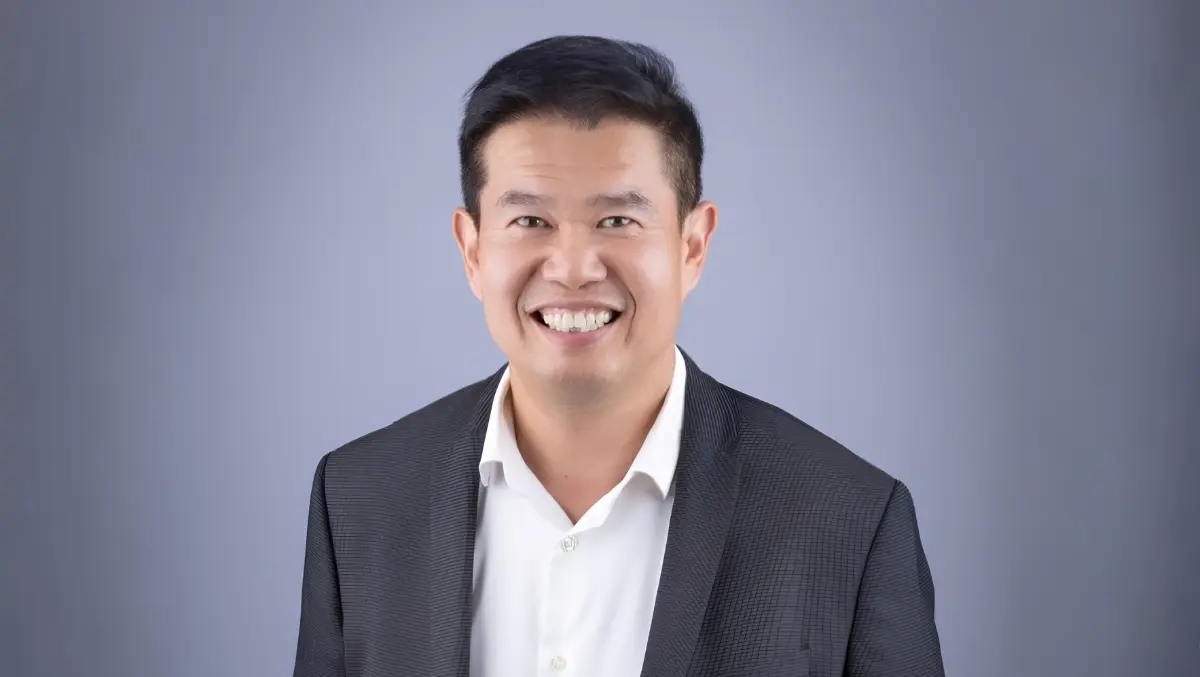
Michael Goh, Vice President & General Manager (EMEA and APAC) at Iron Mountain Data Centres, said the sector was running into physical and operational constraints.
"What we are seeing globally is a shortage of headroom, not of ambition," Goh said. "Digital infrastructure is running into hard constraints, with energized land and escalating trust requirements redefining what viable infrastructure looks like. Jurong Island is different because it solves these challenges. By building smart tech into a secure, circular foundation, there is an opportunity to create a platform that stays reliable and relevant no matter how fast technology changes."
Iron Mountain's interest in the issue reflects its wider business in information management, asset handling, and data centres. In Singapore, its presence includes the SIN-1 data centre, which it describes as a high-security facility.
The framework adds to a growing debate over how Singapore can balance digital growth with power use, emissions targets, and industrial land policy. For operators and policymakers alike, the question is shifting from where to build more data centres to how those facilities can be integrated into energy and resource systems capable of supporting long-term demand.
In that context, Jurong Island is being positioned as more than an industrial site. Iron Mountain argues that it could become a test case for combining circular resource use, lower-carbon energy, and trusted data infrastructure in one location.