

Powernexu launches redundant power options for AI servers
Wed, 25th Nov 2026 (Today)
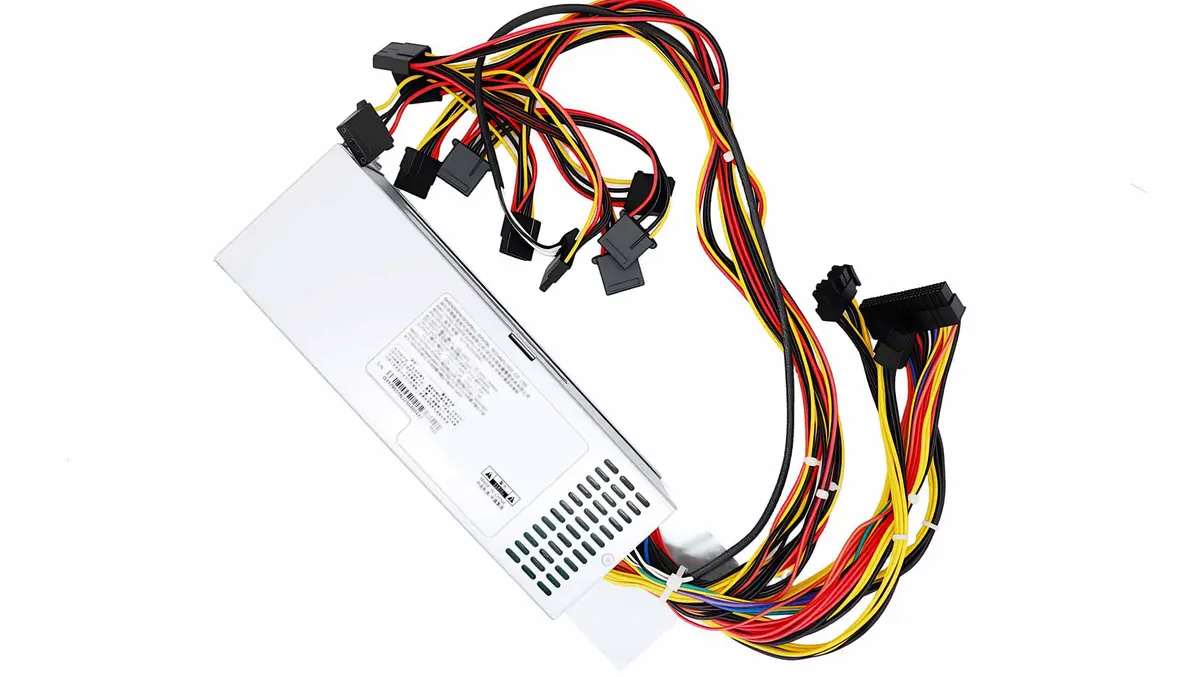
Powernexu has presented two redundant power distribution options for AI and edge servers, covering 1U and 2U form factors for system builders.
The products are the G1231-1600WNA, a 1,600W 1U unit, and the G1179-1300WNA, a 1,300W 2U unit, for use in AI appliances, edge computing equipment, storage systems and network infrastructure.
Both are described as 1+1 redundant power distribution solutions rather than stand-alone power supplies. They are intended to address a common design issue in compact server hardware: fitting the power system within the chassis while ensuring correct connections to internal loads and meeting service and redundancy requirements.
The 1U G1231-1600WNA has a 226 × 156 × 41.5 mm mechanical envelope. Its published output data include a +12V rail rated at 132A, alongside +5V, +3.3V, -12V and +5V standby outputs.
Powernexu said those figures describe rated interfaces and should not be taken as permission to draw the maximum current from every rail at the same time. It also highlighted practical integration issues in dense 1U systems, including connector matching, cable-routing space, cooling paths and access to hot-pluggable parts.
A separate part of the product line targets 2U systems.
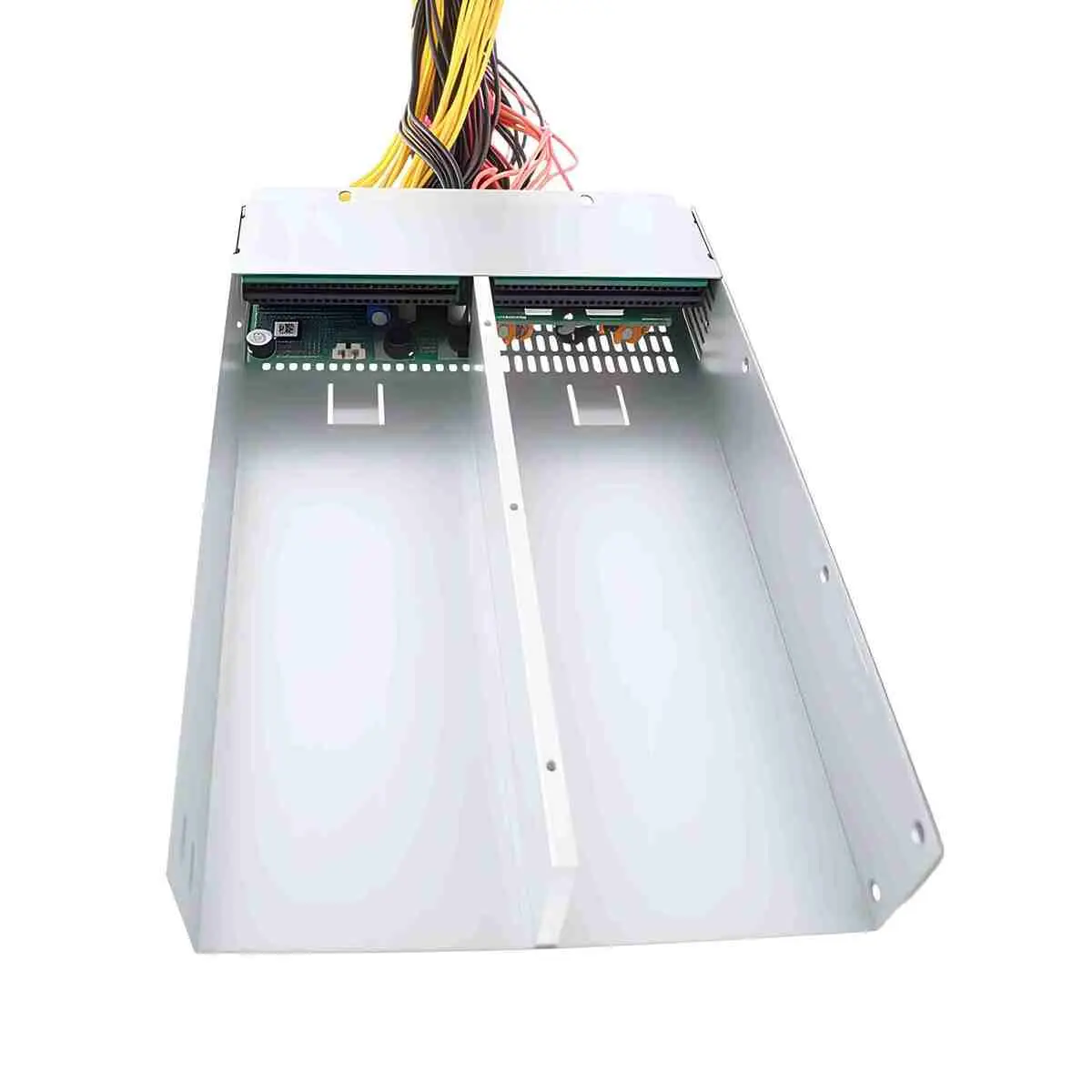
The G1179-1300WNA has a 265 × 77 × 84 mm envelope and a +12V rail rated at 108A, in addition to +5V, +3.3V, -12V and +5V standby outputs. Powernexu sees the 2U unit as relevant to AI server appliances, data centre equipment, storage-focused systems and networking platforms.
The 2U model is not simply a larger version of the 1U option. It is aimed at a different integration profile, where designers need to check how the assembly docks into the host system, which circuits depend on each output rail, whether service access remains possible when the chassis is installed and whether the thermal setup can support the most demanding operating state.
Integration limits
Powernexu placed much of its emphasis on the engineering limits behind redundancy claims. A 1+1 designation alone does not prove that a finished server will continue running at full workload if one supply, input feed or supported power path fails.
According to the company, the surviving source and the full distribution path must remain within electrical and thermal limits. The outcome also depends on the host design, approved configuration, fault isolation, controls and workload policy.
The same warning applies to hot-plug support. Live replacement should only be carried out when the host platform, service procedure and available redundant capacity specifically allow it.
System builders should also validate start-up sequencing, management signals, current sharing where relevant and system behaviour when a power path is removed or restored.
Qualification guide
As part of the announcement, Powernexu pointed to a CRPS power distribution board design and selection guide covering distribution-path responsibilities, the difference between installed and surviving capacity in redundant systems, current-path heating, mechanical compatibility, management interfaces and a qualification checklist.
The guide is intended as general engineering reference material and does not replace model-specific verification of the module, distribution assembly and host platform. This is particularly relevant in systems with mixed loads, where accelerator boards, storage controllers, fans, network cards and standby management circuits may each have different operating states and voltage requirements.
That means a capacity calculation should account for simultaneous supported load, expected transients and the defined response to the loss of an individual power source, rather than relying only on a list of maximum ratings, Powernexu said.
Buyers comparing the 1U and 2U options should provide the server model, power budget, connector or backplane requirements, rail requirements, airflow orientation and intended redundancy mode to identify compatibility issues early.
Steven Zhang, Product Manager at Powernexu, said: "A power figure tells only part of the story. For compact infrastructure, the more useful question is whether the complete power path-connectors, rails, cooling, controls and backup behaviour-has been matched to the actual chassis and workload."