Supply Chain Security stories
Pressure is growing on AI vendors and software suppliers to improve vulnerability disclosure as experts warn basic CVE details are no longer enough.
Banks and security firms will test how advanced AI cyber tools can aid defence without widening the risk of offensive misuse.
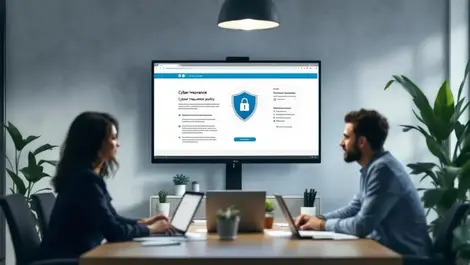
Most North American SMBs now buy cyber insurance, as repeated breaches and insurer-imposed controls reshape how they manage risk.
Teams could save hours on fixes and pipeline setup as GitLab widens AI agents across security, delivery analytics and billing controls.
Enterprise buyers are turning to Azul to cut Java costs and risks, with finance, healthcare and telecoms driving a 43% bookings rise.
Enterprises using OpenSearch in production will get 18 months of support per major release, plus faster security fixes and accredited vendors.
New extortion-only gangs are reshaping a ransomware market that remained at about 150 to 200 victim posts a week in the first quarter.
Businesses relying on obfuscation and embedded secrets in mobile apps may face easier API attacks as AI can mimic legitimate traffic.
Ransomware hit manufacturers hardest in 2025 as incidents climbed 56 per cent, with ageing factory systems and suppliers widening exposure.
The Tel Aviv startup says enterprises need runtime controls as AI agents take on more privileged tasks across core business systems.
Thousands of vetted cybersecurity staff will gain broader access to OpenAI tools as the company loosens safeguards for defensive research.
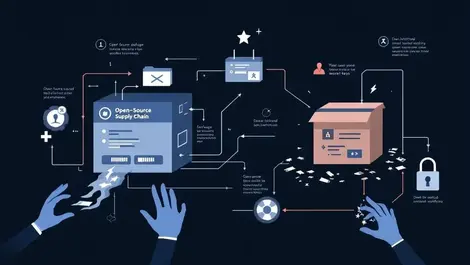
Attackers hid malware in familiar package workflows, prompting Sonatype to log 21,764 malicious open-source packages in the quarter.
Most companies still lack confidence in their response as 73% of senior cyber security decision-makers say they are not ready for a major attack.
Human approval will stay central as Ledger rolls out hardware controls for AI agents handling wallets, identities and sensitive transactions.
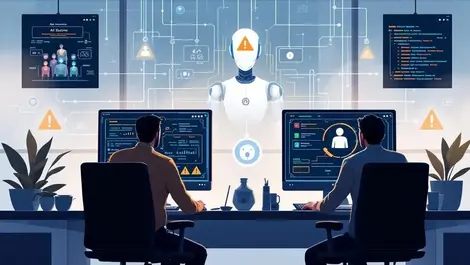
Businesses face a growing security gap as autonomous AI agents take actions inside corporate systems with far less human oversight.
Enterprises can now count GitLab Duo Agent Platform use against Google Cloud commitments while keeping AI agent actions under GitLab controls.
Faster AI-led flaw discovery could overwhelm patching and disclosure processes, leaving companies with bigger backlogs and less time to respond.
Nearly 612,000 firms were hit last year, underscoring a gap in basic defences as phishing and ransomware drive growing losses.
Wider use of cloud, remote access and suppliers is leaving New Zealand organisations with harder-to-track cyber risk and weaker control.
Defence suppliers will face new cyber checks from summer 2026 as Ottawa phases in certification to protect sensitive contract data and match US standards.