Social Engineering stories
Singaporean Android users may soon get real-time warnings as Google DeepMind and GovTech test on-device AI to spot scams without reading chats.
Singapore regulators are pressing firms to stop using identity numbers for authentication as leaked telecom records can fuel years of impersonation fraud.
The appointment comes as the email security company widens its pitch beyond phishing to account takeover and deepfake risks across workplace tools.
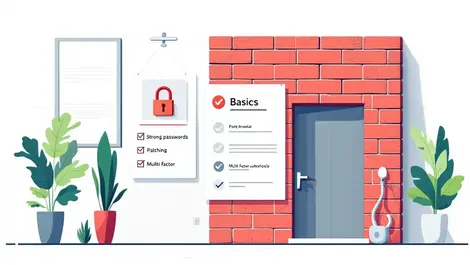
Most attacks still start with weak credentials, unpatched systems or phishing, so the firm says budgets should shore up basics before AI fears.
Attackers are exploiting trusted identities and collaboration tools to steal data and extort victims, leaving defenders with only brief windows to react.
Fraud teams can now flag suspicious devices before login, as PoSA v1.11 adds real-time risk scores to help stop account takeovers earlier.
Most European firms are unprepared for AI-enabled attacks, as 56% of cybersecurity teams say they are understaffed and 55% underfunded.
Businesses face growing risk from AI-driven fraud as ANZ says rushed seasonal trading can let scammers exploit weak payment controls.
More than a third of financial firms in Europe, the Middle East and Africa reported fraud attempts rising by over 25% in two years.
Businesses are facing a sharp rise in email scams as AI makes phishing faster, cheaper and harder for native filters to spot.
Threats are now spanning identities, cloud and software supply chains, with AI speeding attacks and complicating defence, Microsoft says.
Most losses now stem from weak customer and employee awareness, even as banks pour more money into technology and still struggle to keep pace.
A surge in non-human identities is leaving businesses more exposed, with privileged access risks now stretching beyond staff to AI agents and machine accounts.
Nearly one in 10 AI security alerts in retail involved systems exposing protected customer data to users without access, research found.
Nearly half of UK small businesses suffered a cyber incident last year, with phishing and unpatched flaws doing most of the damage.
Phishing now accounts for nearly a quarter of observed intrusions, while Australia slipped to 11th in Microsoft's latest global cyber rankings.
Australian operators faced the highest alert volumes per organisation as attackers increasingly targeted connected industrial systems and critical infrastructure.
Many adults are still feeding chatbots sensitive data, despite believing they can spot AI fakes, a UK survey has found.
Executives and wealthy families now have a gap-filling option as the firm adds human-led monitoring, phishing defence and incident response to its advisory work.
Boards are being urged to beef up defences as AI tools may soon help criminals automate attacks and target New Zealand organisations more precisely.