Resource Management Act (RMA) stories
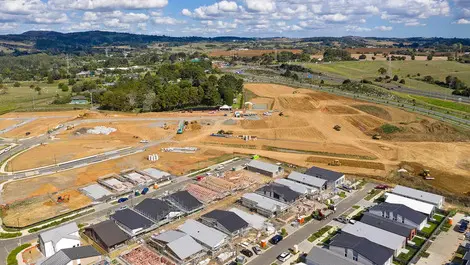
The district's residential and industrial land shortage could bite within 25 years, prompting public consultation on rezoning in its main centres.
About 10,000 public charge points by 2030 remain the target as the Government adds NZD $21 million to spur chargers in underserved areas.
Frustration with central government inertia and costly reforms underpins a 50-year local government career that spans planning, ratings and Auckland amalgamation.
Central government delays on planning reform have left councils wrestling with rules Leigh Auton says could have been avoided decades ago.
Business faces a faster, narrower consenting regime as ministers unveil bills to replace the RMA by mid-2026.
Housing targets could erode New Zealand’s food-producing base, as experts warn losing LUC3 land would lock in permanent damage to supply and exports.
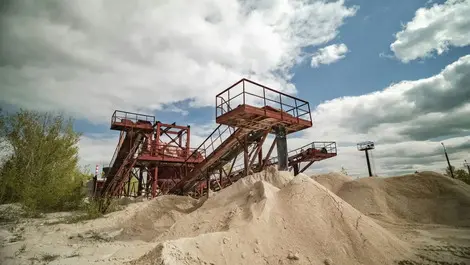
New Zealand faces higher costs for homes and infrastructure unless councils protect natural sand supplies as manufactured material covers only a fraction of demand.
Genetec has partnered with Sektor to distribute its physical security solutions across New Zealand, including opening a new technology centre in Auckland.
Cross-party backing is being sought to deliver a planning overhaul that could cut compliance costs by 45% while balancing development and environmental protection.
Delays and cost blowouts on major infrastructure projects could ease as ministers move to streamline land acquisition rules and compensation disputes.
Lower borrowing costs and expiring term deposits could lift demand for commercial and residential property as investors hunt better returns.
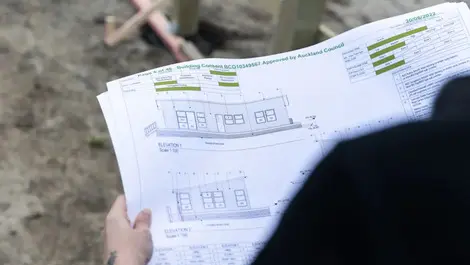
Reform could trim costly delays for builders, but experts warn the wrong consent model may threaten safety and liability.
Experts warn the proposed fast-track regime could cut community input and leave major projects with weaker environmental scrutiny.
Could ease the housing shortage by letting developers build higher on larger merged sites, even as councils opt out of existing upzoning rules.
Stronger planning rules are still needed to stop homes being built on land prone to landslides and coastal erosion after Cyclone Gabrielle.
New Zealand’s infrastructure sector is urging the incoming Government to speed up investment, reform planning and tap private capital.
Councils could lose influence over local planning as new regional committees shift decisions further from communities and raise funding concerns.
Uncertainty over tax and housing policy could briefly slow residential sales, though commercial activity is likely to stay driven by rates and inflation.
New Zealand growers could face higher food costs and poorer water security if reform leaves storage projects harder to finance, IrrigationNZ says.
Critics say the overhaul could add bureaucracy and legal uncertainty, raising doubts it will ease New Zealand’s housing crisis.