Resilience stories
The free site helped commuters check flooded routes during Bangkok's disaster zone conditions, logging more than 13,000 uses in its first day.
Airports across Asia face a funding and design test as forecasts point to USD $1.3 trillion in regional capital needs by 2040.
Singapore residents can now spotlight unsung community helpers on Instagram as Canon ties prizes and creator support to its Kyosei philosophy.
Merchants could see simpler and more reliable QR, debit and online payments as Gkash removes an intermediary link to Malaysia's main rails.
The change could reduce failed cluster setups as AI demand tightens compute supply and Spark users lose access to preferred machine families.
Data centre operators are under pressure to supply their own electricity, opening the door for Honeywell to add on-site power and utilities.
Cash's resilience, privacy and local spending benefits in Germany were estimated at nearly three times the cost of keeping the system running.
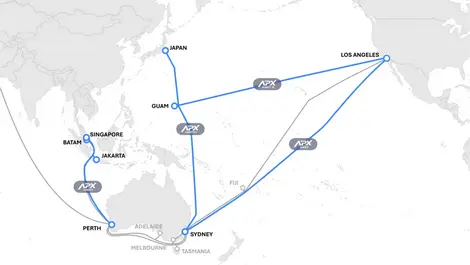
The build aims to ease capacity shortages for AI traffic and trans-Pacific data flows, with installation due over just over three years.
Banks seeking faster system upgrades may benefit as Teciem adds two senior executives to steer technology and customer delivery.
Banks weighing cloud migration got fresh evidence after the platform handled more than double its target load on AWS with no failed transactions.
Enterprises can now pool GPUs across two data centres 83 kilometres apart, easing power and planning constraints on new AI campuses.
Many businesses are exposing themselves to cyber, regulatory and operational risks by rolling out AI faster than governance can keep up.
Residents in Pahiatua are set for fewer boil-water scares as Tararua District Council starts a year-long $4 million network upgrade.
Australia's cyber strategy is shifting as firms race to control AI agents, with June's Medicare portal incident exposing fresh integrity risks.
Younger Australians face mounting pressure from housing, tax and climate costs as the Actuaries Institute urges ongoing policy reform.
The dry spell could hit farms, rivers and firefighting readiness across Hawke's Bay, with below-normal rain and warmer temperatures forecast.
Builders face rising delays and overruns as wetter, stormier conditions threaten to disrupt UK data centre projects through 2027.
Banks handling failed payments could cut repair times as Finastra adds scheme-aware AI guidance to its OperatorAssist platform.
The ranking may bolster Kinetic IT's bid for government contracts as agencies seek suppliers with local delivery, governance and security controls.
A major coordinated attack on UK battery storage could cost the grid GBP £2 billion to GBP £10 billion within five years, Centrii says.