Patents stories
Rising AI server densities are forcing Asia-Pacific data centre operators to rethink cooling as water use and power demand tighten.
Australia risks losing more of the battery supply chain unless late-stage capital reaches projects like Sicona's Port Kembla plant faster.
Global quantum computing revenue is set to top USD $1 billion by 2027 as governments and companies keep funding early-stage research.
The deal gives the Baltic bank a risk-based way to cut card fraud while reducing friction for online shoppers across the region.
The purchase gives the Australian group a US manufacturing foothold as Washington moves to favour domestic battery supply chains.
The hire is aimed at speeding Nile's push to simplify enterprise networking as AI deployments raise demands for security and resilience.
Startups could file patent applications in days after Fearn raised USD $5.5 million to offer fixed-fee AI prosecution services.
The cash will fund research, product expansion and overseas sales as the San Francisco-based company grows beyond 100 enterprise customers.
Households could see quicker chores and lower energy bills as the group rolls out laundry, cooking and refrigeration updates across its brands.
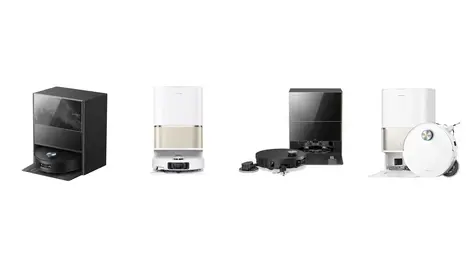
The Berlin showcase signals Dreame's push to build a broader connected-home ecosystem in Australia and New Zealand beyond robot vacuums.
The hire comes as shorter certificate lifespans and surging machine identities are raising operational risk for enterprises worldwide.
The award highlights rising pressure on identity vendors to stop fraud that now slips between login checks, account recovery and contact-centre calls.
Rising overseas sales and profit have lifted the home appliance maker to No. 231 on the Fortune Global 500, its best showing yet.
Banks and other regulated firms could gain extra protection against replay and injection fraud as Daon readies identity checks for the post-quantum era.
Prices from AUD $2,199 widen Dreame's push into Australia's premium robot vacuum segment, as the company targets harder-to-clean corners and furniture gaps.
It aims to widen access to personalised money guidance as consumers increasingly turn to AI for budgeting, investing and tax help.
Deep tech projects are being slowed by risk-averse governance and short funding horizons, leaving many ideas stuck before commercialisation.
Destination marketers could cut report turnaround times as Azira One puts complex location data into a natural language AI interface.
The track shows how generative AI is moving into personal creativity as SenSen's Chief Executive Officer turns a Father's Day theme into music.
The hire signals Tokenovate's push to make its post-trade automation platform easier for institutions to deploy at scale.