Information Governance stories
Active data makes up just 4.4% of enterprise storage, raising costs, security exposure and AI search quality concerns for firms.
Nearly one in 10 AI security alerts in retail involved systems exposing protected customer data to users without access, research found.
Law firms can now use ChatGPT Enterprise to search governed iManage files without losing permissions, audit trails or version history.
The new software aims to curb token waste and improve answer quality as enterprises connect AI models to sprawling, unstructured file stores.
Compliance teams at regulated banks can now query live surveillance alerts inside Claude, while Shield keeps permissions and records unchanged.
Regulated firms could search and export archived messages through AI while keeping existing permissions, audit logs and chain-of-custody controls.
Regulated firms face recordkeeping gaps as WhatsApp and Slack chats join email under one governance and discovery framework.
Rising demand for better data governance and AI readiness has prompted Expleo to bolster its advisory offer across banking, insurance and the public sector.
It boosts Iron Mountain's push into AI-ready records management as the platform gains broader analyst attention across document processing and analytics.
Budget-conscious agencies can keep legacy records in place while tightening privacy controls and speeding up stalled AI projects under the partnership.
Distributed offices can now standardise document capture with scanners that protect records, reduce rework and support audits across multiple sites.
The Danish cloud data protection group's nine-figure run underscores demand for independent backup as firms link AI adoption to data trust.
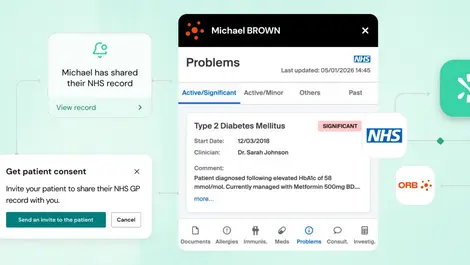
Private clinicians could cut weeks of waiting for GP summaries as consenting patients' NHS records are now viewable in Semble.
More than 800,000 Dorset residents will have their records linked into a network now covering over 10 million people across seven NHS regions.
Fragmented deal processes are slowing completions and raising disclosure risks as advisors juggle multiple transactions across disconnected systems.
The new runtime aims to let firms automate longer workflows in finance, HR and supply chain under tighter governance and audit controls.
The new framework gives providers legal cover to share scam data, aiming to stop fraud before calls and texts reach customers.
Australian workers are losing more than 75 million hours a year to scattered messages, eroding productivity and adding to business costs.
The badge strengthens customer confidence as firms racing to deploy Copilot and other AI tools face tighter scrutiny over data access and governance.
In regulated industries, conflicting document versions can turn AI answers into audit risks, service errors and costly rechecks.


















.webp)