Climate change stories
Strong financial outcomes and sustainability focused leadership is required for long term impact, according to a new report from IDC.
Technology and digitalisation will play a crucial role in tackling climate change in 2022, says Telenor Research.
Sustainability has become even more important over the last few years, with many growing organisations having set their own targets to reduce carbon emissions.
Qlik and Stimson Center launch CORVI Data Portal, providing data-driven recommendations to under-resourced coastal cities facing climate risks.
Geotab, a global player in IoT and connected vehicle space, discusses its innovation, work on EVs, and efforts to fight climate change in APAC.
Technology innovation will play a central role in tackling climate change and achieving carbon reduction goals.
Government funding for a new timber knowledge hub could help slash emissions in New Zealand’s mid-rise apartments and offices.
Aucklanders could gain a faster, more connected transport network if the government and council back a billion-dollar light rail plan.
Motorists could face higher pump prices as New Zealand's sustainable biofuels mandate aims to curb transport emissions from April 2023.
Poor sanitation and water management are emitting methane, while better policy could help cut climate pollution and expand clean energy.
The capital will use a US$1 million grant to expand its Digital Twin, helping planners test climate adaptation options over three years.
Public confidence is fading that damaging temperature rises can be avoided, even as concern about climate change hits its highest level in nearly a decade.
Climate pledges made at COP26 could speed up investment in clean energy, EV charging and low-carbon materials, despite weak deadlines.
Phase one of the park could supply electricity for 30,000 homes and help Canterbury businesses and aviation cut fossil fuel use.
Christmas freight and passenger services face major disruption after KiwiRail’s chief executive quit amid looming nationwide strike action.
Technology could cut waste and carbon emissions in construction as firms tackle delays, labour shortages and rising budget blowouts.
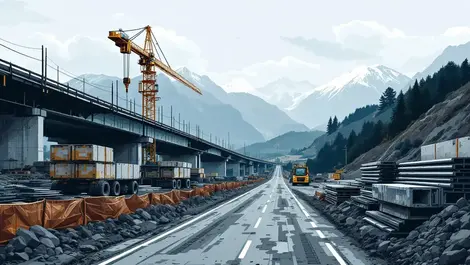
Delays and higher costs are looming for major infrastructure works as New Zealand struggles to secure enough gravel, timber, cement and steel.
Delays and cost pressures are looming for major works as New Zealand struggles to secure key construction materials, a new study finds.
Industry leaders say the draft 30-year plan could give New Zealand clearer funding, planning and delivery for vital infrastructure.
Farmers face production cuts and taxpayers could be left with a multi-billion-dollar overseas carbon bill as the 2030 target is questioned.